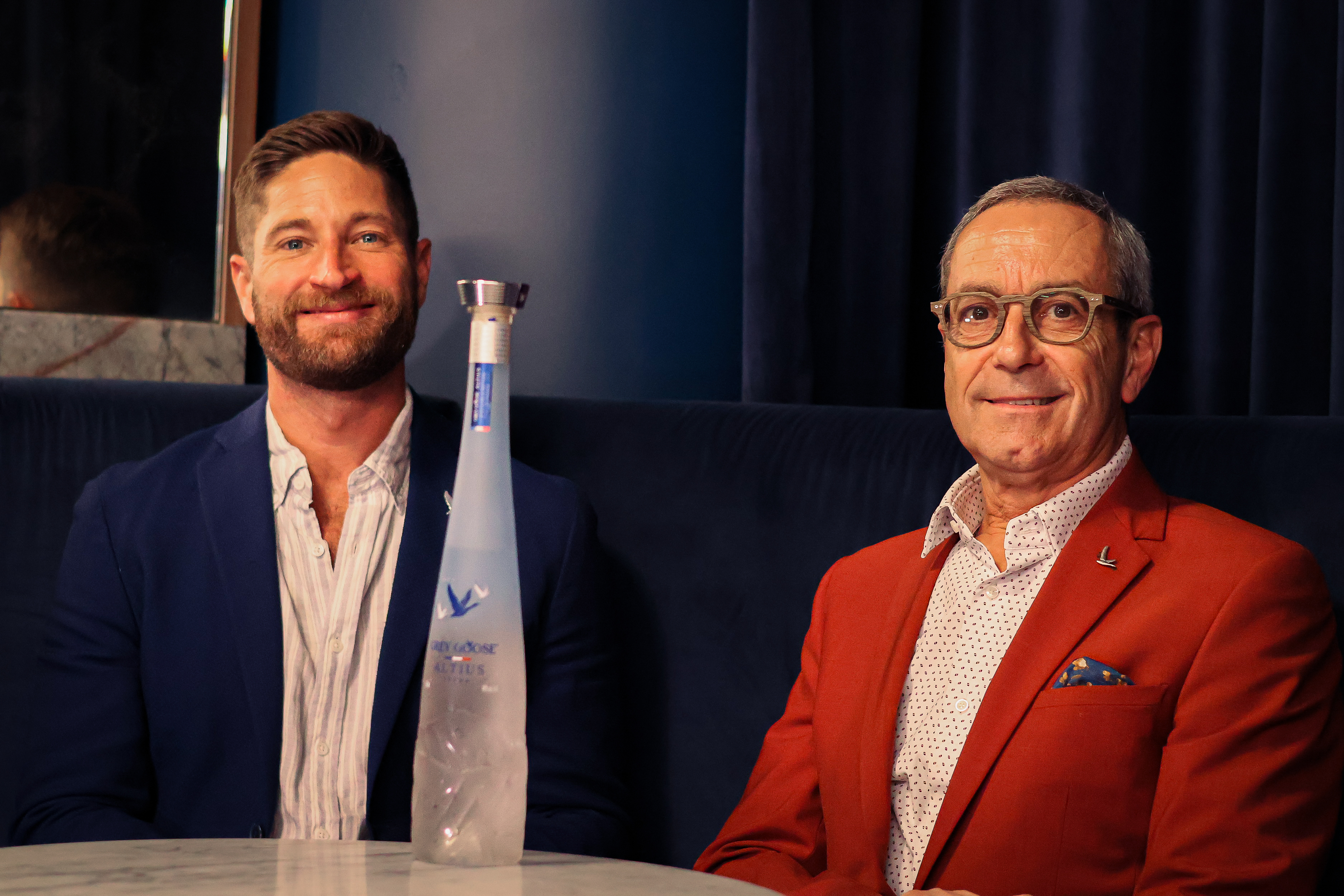
Cameron Stallard – co-founder of hospitality technology platform, Grayza – joins us for an interview.
Recent consolidations in the QR order-at-the-table world have prompted us to speak with another founder – Cameron Stallard – who’s been quietly building his own application since 2018. Now live and rapidly expanding in an active industry, Grayza is positioned to generate some excitement.
What’s your elevator pitch for Grayza? What do you do differently?
Friction costs time and money. Grayza smooths out the entire digital ordering experience so venues can do more with less. Through the power of direct and autonomous integration from point of sale to Grayza, we allow venues to streamline operations and spend time on more important things. Mixed-up orders and long wait times can result in lost customers – and sometimes a product swap just doesn’t cut it. That’s why we’ve created an automatically syncing ordering application that’s equipped for the future of the industry.
You’ve been operating for a while now but how long has your journey actually been and what moments or milestones have been pivotal in that story?
We’ve had everything thrown at us other than the kitchen sink… yet. I have been trying to start this business since 2018, if it wasn’t rejection from venues for the concept of table ordering it was rejection from investors. That was just the beginning. Once we launched we had to navigate the political landscape of point of sale companies and their ongoing feud as they battle to pivot to payment providers. With some of our competitors being people I pitched my idea to, to competing with bigger budgets that our competitors had raised.
My business partner fought hard, we took the losses and set back and kept pushing, we knew that eventually we would make the traction, hard work and perseverance always prevails, if you have the skin for it.
What advice do you have for those looking to raise capital?
Do you need it? Looking back, being rejected from investors or not being able to raise large tranches of funding has forced us to create monetary discipline, look for automations in our business and save money wherever possible.
I really encourage people wanting to start a business to read a book called The Start-Up J Curve. Having watched the tech bubble burst between 2019 to 2023, I saw a lot of great business ideas destroyed by big bank accounts and investment philosophies only as big as their LinkedIn or news propaganda.
I think the market is getting the medicine it needs, back to business basics where we don’t want to see your idea, we want to see your balance sheet and that you can deliver. I would focus on partnerships, working with relatable companies to leverage growth through customer benefit. These are almost always free value-add and create win-win business ecosystems.
We have created a profitable business in this space, something our competitors have been struggling with and I put this down to a lot of the automation we had to develop – automation that wouldn’t have occurred if we had big operating budgets.
What fundamentally inspires you in your work within the food and beverage and technology sectors and how do you ensure you stay connected to that inspiration?
I love hospitality, I grew up working in venues to make extra money and my father owned and operated a pizza shop. I strongly believed there was a better way to do things in hospitality for consumers and venues. We won’t stop until we have achieved this.
What defines an exceptional customer experience for you – and how do you implement systems within your business to facilitate consistent delivery to end users through your clients’ venues?
Intuitive experience, arriving at the desired outcome with as little effort as possible. We take this as our design principle with almost everything we develop. If a computer or software system can do this for a user, then it should be so.
We are never too big for any of our customers, we listen to every problem or pain point they have in their business then work with our point-of-sale partners to devise a solution. Like all good tools, we don’t want to tell users how to use it, but rather they use it in a way that best suits them. Customers will tell you what they want, build that and nothing else.
What memorable hospitality experience that has influenced your approach to business and customer service?
Hospitality venues put customers first, no customers then no business. Venue operators expect the same treatment, so this is how we look at all our venues. Our focus is on fulfilling their needs. By doing this you can ensure a strong, long-term, high-retention customer base.
What are you seeing in your data that’s intriguing you?
There is a definite drop in the economy at the moment – venue revenues are down and forcing operators to find efficiencies and alternative value-add opportunities. They’re looking for stability and ways to minimise labour and work. We achieve this for staff and customers, so we are getting some really great traction in the market at the moment.
What’s your creative process to develop new ideas and how do you play with them? Do you have a specific system or approach to get into a creative state of mind?
Pretty simple, a venue tells me something they spent hours doing, or something they wish we did. I document it as a case study to put to our design team, we then get to work creating a solution.
I then send this solution to the venue and ask if it is what they need? If they’re happy, we get to work building it and develop the point-of-sale systems to deliver that solution. We usually focus on what we believe other venues will also want, to provide more value to our venue base.
How do you translate that to foster a collaborate creative environment for your team?
We talk to other venue owners about solutions we are working on, and in some cases we even organise an online call with the development team and the venue owner. Getting different minds from different backgrounds on a call to look at a problem has fostered some really amazing solutions we wouldn’t have been able to facilitate without the diversity, it’s really great to just sit back and watch it sometimes.
What specific brands or individuals influence your business?
Square – We share similar values, we believe in doing more with less, being a wholistic solution for venues. Removing friction, being cost effective and having a collaborative ecosystem where customers can automate as much of their business through third parties.
Tanda – One of Brisbane’s great tech companies, they’ve built a great business, a great product and a great team. They focused on their product, their customers and they now have a strong foundational business that keeps growing and growing. No propaganda, no ‘LinkedInfluencing’, just hard work, good code and great partnerships.
Fishbowl – Aside from their food, their hard work building a brand over many years to what it is, I like how they’ve created a community around health and lifestyle. Something we really want to do in the future with our venues to allow them to create their own win-win partnerships with one another.
What resources do you absorb to stay ahead of the curve with industry insights?
We track our own data and constantly look at the players who have not yet adopted online ordering for their businesses – and consider what aspects of our platform we don’t have that would enable them to make the jump. Pain points, profits and expenses are the driving factors for growth in this sector. Whoever can be the most useful solution is the platform venues will choose.
What is the most significant challenge you are facing and what are you learning as you work to overcome it?
The point-of-sale political landscape. Our business relies of point-of-sale systems with our venues. A lot of those systems are fighting for dominance in not just the point-of-sale market but the payments market as well. We will just keep building a great product that venues want and maintain strong partnerships with their point-of-sale providers.
Who would you like to read an article with and what would you like to ask them?
The CEO and founder of Square, Jack Dorsey. I’d love to know where they are heading – where is the growth for them? How do they view AI and it’s impact and how will they incorporate the technology? What are their thoughts on the global payments battle as gateways fight for dominance – how will they succeed?