Interview with Diggy Doo’s Founder, Paul Lee
Owner of Sydney cafe, Diggy Doo’s – Paul Lee – shares how his business leverages community and collaboration to stand out in Sydney’s competitive specialty coffee market.
Paul Lee’s career in coffee spans over a decade – shaped by mentorship, international experience and a focus on community. As the owner of Diggy Doo’s in Sydney’s CBD, he has developed a business model that prioritises connection and collaboration in the competitive specialty coffee market. From his early days learning the craft to leading a café that blends tradition with innovation, Lee’s approach reflects a deep understanding of both coffee and the people who enjoy it.
In this interview, he discusses the strategies and insights that have defined his journey and shaped the identity of Diggy Doo’s.
In The Interview
Diggy Doo’s operates in a highly competitive coffee scene in Sydney. What strategies have you used to create a unique identity for your cafe and differentiate it from other premium venues?
I did what they all did first – create a community – but with my own vibe. This industry thrives on that and will always be the foundation of any venue. To give it another push, I collaborated with industry friends and am super blessed to have met so many more talented individuals along the way – including a lot of up and coming professionals. After-hours tastings also helped us bring more people together more often.
You have a background with Proud Mary and now roast your beans locally at Zest Specialty Coffee Roasters. How have these experiences shaped your approach to sourcing and serving coffee?
They were invaluable. Before that though, to get my start, a great lady named Corinne Chilcott believed in me and gave me the opportunity to just get my hands dirty by working under her and introduced me to the world of coffee at that time. She was my first coach when I competed – and I was super lucky for that, it helped me get my gig at Proud Mary. Those guys helped me think outside of coffee and understand why community is important – for any human being, in- or outside of coffee. My confidence and skills and were built there.
Imagine going to the first Melbourne International Coffee Expo (MICE) ever and the owner, Nolan, throws 12 different types of geisha of all sizes on the table for you to roast; or be one of the first in the world to be roasting The Esmeralda Geisha; or be the first to ever roast the most expensive coffee to come out of Colombia (which he bought at an auction over there).
Then, at the shop front, its another level. To work in that type of coffee heaven and operation was an experience. Looking back, I was super fortunate to have had that and even to this day, I appreciate it. I loved being around so much awesome coffee.
After working with Nolan, I met Chris Karvelas through the Proud Mary connection. He was my next mentor and shaped the way I now see brewing and connection to coffee. He’s a super intelligent human and I’m incredibly grateful to have met him.
Zest Coffee have been nothing but supportive. Being able to lean on them when it comes to purchasing, storage, industry support, opportunities to collaborate and building industry connections. Working with them have made my coffee program more stable. Being around a company that is able to have purchasing influence has been a valuable insight.
How do you cultivate a sense of connection with your customers from a small, high traffic location – in Australia’s largest city, no less – and what role does this play in your business model?
Coffee comes second.
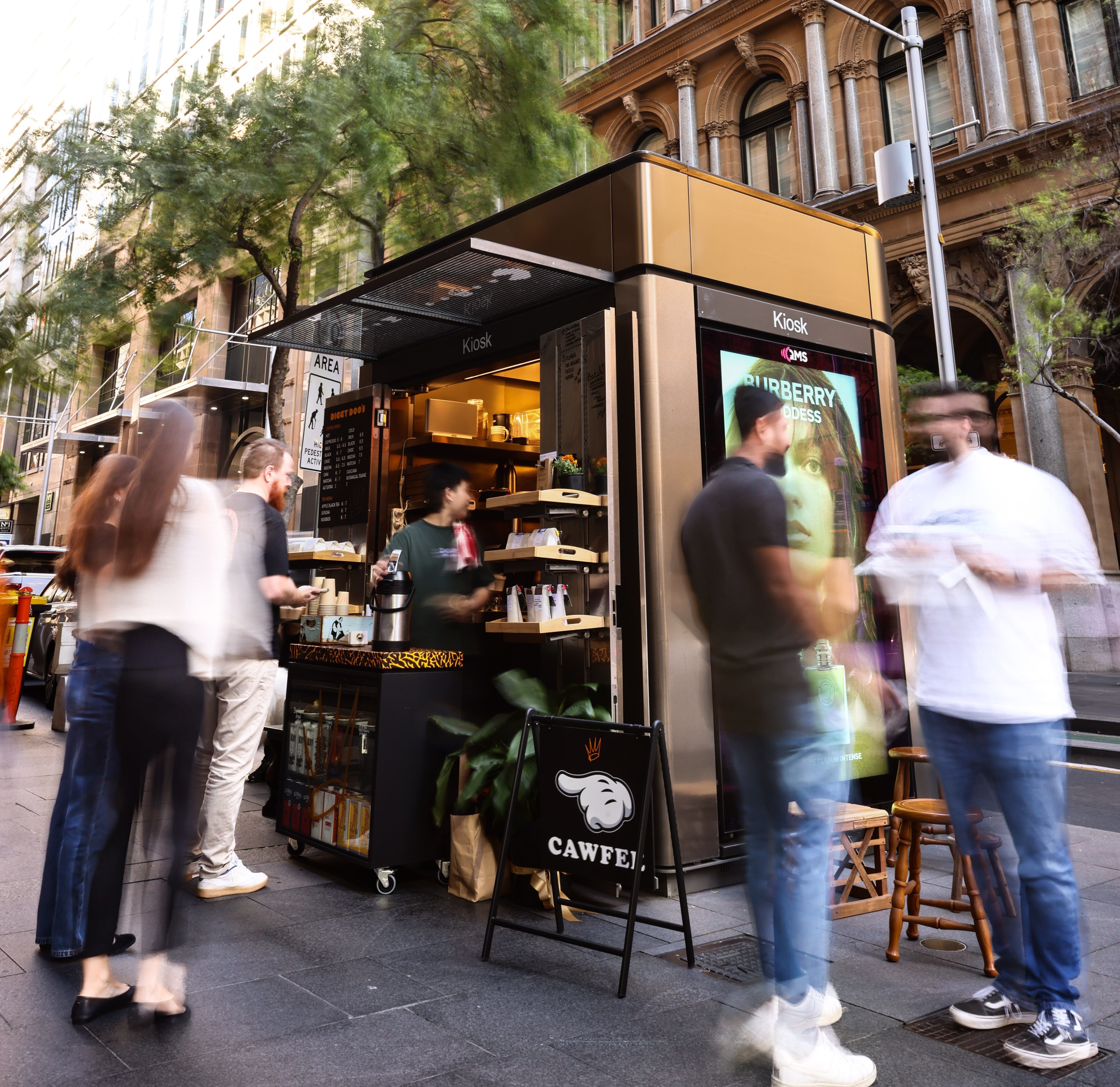
It sounds funny but let’s say hi first and ‘vibe it out’ and then figure out what you like – not reinvent the wheel, just being hospitable. We don’t have much time – especially if you’re ordering takeaway – but we do have 10-20 seconds to relay a message and it’s definitely possible.
I think of it as ‘sugaring’ them up. They don’t need the full amount, sprinkles at a time whilst keeping it light. I feel that’s the trick in that kind of environment, get all the info you can and condense it in a ‘sprinkle’ form.
Usually, we try to relate coffee to anything we can – from ramen, tea and wine to beer, whisky or feelings – everyday things to help ask questions before recommending anything. Once those questions have created a connection, we can then brew and share what we’ve chosen for them. This usually works well at the bar, where there is a little more to have a yarn.
Coffee trends evolve rapidly – from origins and roasting styles to brewing methods. How do you stay ahead of industry trends whilst maintaining the core values of Diggy Doo’s?
Talking to people. I meet many baristas who know more than me, so I’m always asking a lot of questions. Being around different roasters and sharing information helps a lot too – especially from the shared space at Zest – we use the same machine so the lingo is similar.
Also I’ve been doing some expo’s overseas and interstate and its super cool to have a glimpse of what’s going on elsewhere. Social media also helps to know what’s going on.
I take on all of this information but try to keep the team returning to using their senses, intuition and skills, when it comes to dealing with the coffee. Blending the old with the new, is the balance I’m going for.
As a business owner in Sydney’s CBD, what challenges do you face with running a specialty coffee shop and how do they differ to the Melbourne scene?
I feel both are going through a moment where we’re seeing smaller businesses opening up and some of my friends in both states are doing great things! It’s great to see this happening because everyone has such a different personality which shows through the shops and operations.
Challenges so far is the cost of goods definitely. You are really left with two choices, less staff/lower wages or sell more things/raise the price. I chose to raise prices. It forced me to value the product even more and choose to not “race to the bottom”. SO much work goes into it and we have to really acknowledge that. Freal. Or else we won’t be able to keep giving the good stuff and cut corners which is not what I want to do.
Also keeping the work conditions sustainable is also a challenge as it’s hard work to do this every single day. In reality, we have to have balance in work, rest and finances. Something that we are all trying to figure out, I think.
Looking ahead, what are your goals for Diggy Doo’s in the next five years? Do you see potential for expansion or is the focus more on deepening the current customer experience?
I want to keep the model of customer connection, as it is happening naturally and I love that it happens organically so I’d like to protect that type of environment and refine our operations to make it easier for everyone to experience and work at Diggy Doo’s.
In five years I’d like to have a roaster and our own space to cup, experiment and learn. Bring over friends and staff and geek out whilst vibing out. That would be awesome. Also hopefully travelling to origin by that time bringing in coffee from somewhere. Lets check back in five years on that one.
This interview has been edited for clarity and consistency.